You’re ordering something online, working on a craft, or measuring a small space at home. The product says 5 inches long, but without a ruler, it’s hard to picture what that actually means.
Numbers alone don’t stick in your mind. Real objects do. When you connect a measurement to something you’ve seen or held, it becomes much easier to understand.
This guide will show you exactly how long is 5 inches, what does 5 inches look like in real life, and things that are 5 inches you can instantly recognize.
How Long Is 5 Inches?
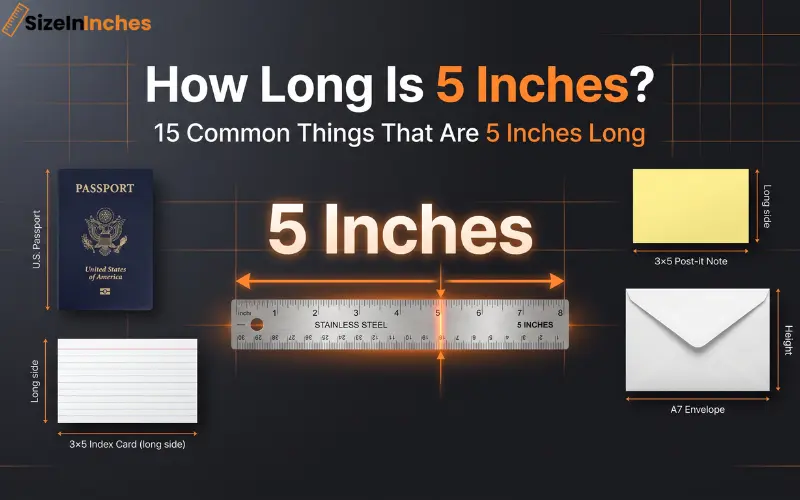
5 inches equals 12.7 centimeters, 127 millimeters, and 0.417 feet. It’s similar to the height of a US passport or the long side of an index card.
What Does 5 Inches Mean in Real Life?
When you hear “5 inches,” it might sound simple, but picturing it without a ruler can still be tricky. It’s a size that sits right in the middle—not too small, not too large.
Instead of thinking in numbers, it’s easier to connect this measurement to things you can actually hold, see, or use every day. That’s how your brain understands size naturally.
Once you relate 5 inches to real objects, it becomes something you can recognize instantly without needing to measure it.
Understanding Inches as a Measurement Unit
An inch is a standard unit of length used in countries like the United States. It’s mainly used to measure smaller objects—things you can hold, place on a desk, or carry easily.
Instead of focusing on numbers again, it’s more useful to understand how this size behaves in real life. Five inches sits in that comfortable middle range—big enough to notice, but still compact enough to handle with one hand.
It’s shorter than half a standard ruler, yet long enough to be clearly visible when placed on a surface. This balance is exactly why so many everyday items are designed around this size.
Once you stop thinking in numbers and start thinking in real objects, 5 inches becomes much easier to recognize instantly.
Why 5 Inches Is a Common Size
You’ll notice that 5 inches shows up in many everyday items, and that’s not by accident. It’s a size that feels comfortable to hold, easy to carry, and practical for daily use.
Objects built around this length don’t feel too small to handle or too large to store. Whether it’s something you keep in your pocket, place on a desk, or use in your hands, this size fits naturally into everyday life.
That balance is exactly why designers and manufacturers use it so often. Once you start paying attention, you’ll begin to spot 5 inches in size across different items without even thinking about it.
15 Common Things That Are About 5 Inches Long
Below are everyday, familiar objects that are approximately 5 inches long. Some may vary slightly depending on brand or design, but they are close enough to help you visualize the size accurately.
1. Index Card (Long Side)
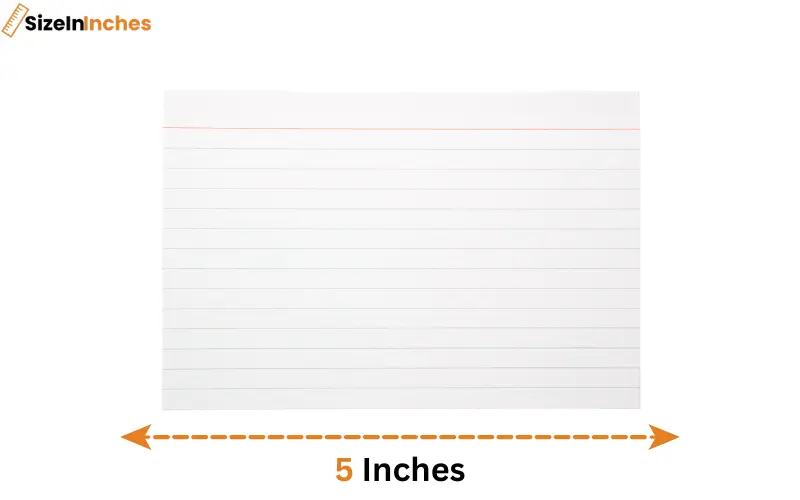
A standard 3×5 index card follows ANSI stationery standards, with the long side measuring exactly 5 inches.
You see these cards in offices, schools, and study desks for notes and flashcards.
Holding one feels light and flexible, with a clear rectangular shape.
Its longer edge gives a perfect visual reference of the length.
This is one of the easiest ways to understand what does 5 inches look like.
2. US Passport (Height)
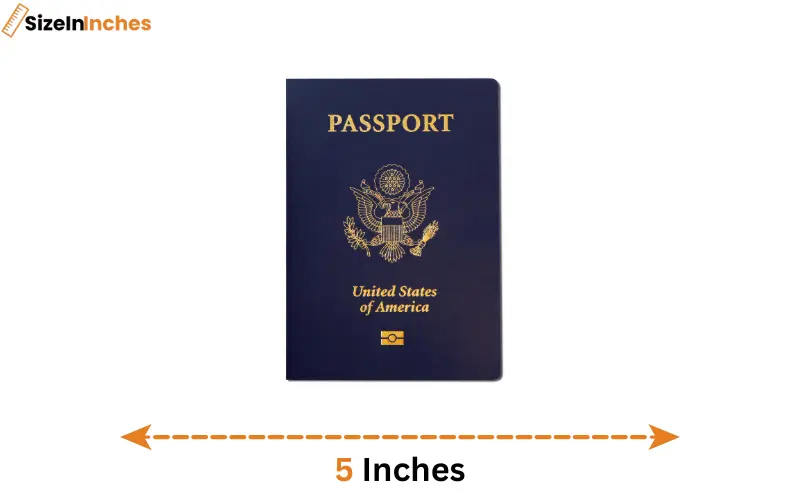
The U.S. Department of State specifies that a passport measures exactly 5 inches in height.
You carry it while traveling, at airports, or when applying for identification.
Holding it feels solid, slightly larger than your palm.
Its height gives a clear vertical representation of 5 inches.
This makes it a strong example of a 5 inch size.
3. Post-it Note (Long Side 3×5)
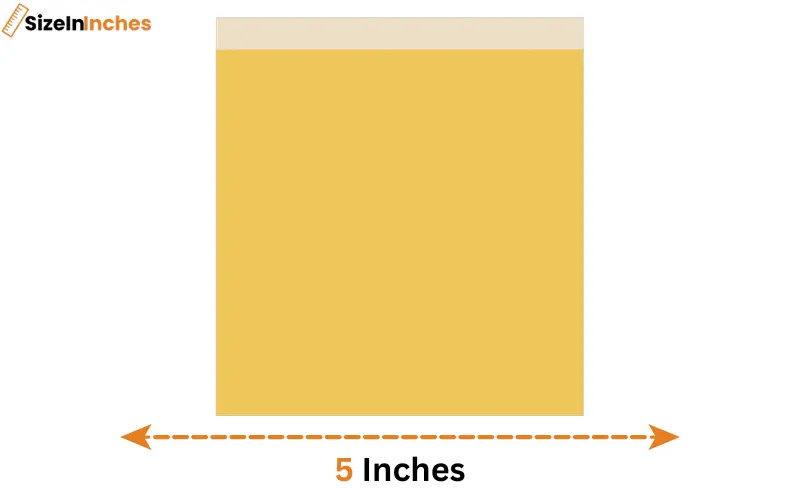
3M manufactures Post-it notes in a 3×5 format, where the longer side is exactly 5 inches.
You’ll find these in offices, classrooms, and home workspaces.
They are small, lightweight, and easy to stack.
The longer edge gives a precise sense of length.
This helps visualize things that are 5 inches.
4. A7 Envelope (Height)
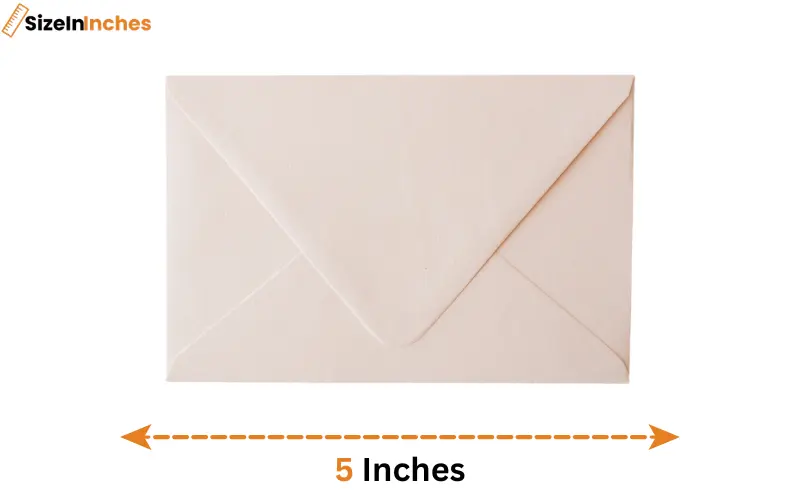
A7 envelopes follow US sizing standards and measure 5 inches in height.
They are used for invitations, greeting cards, and formal mail.
Holding one gives a flat, structured feel.
Its height creates a clean and accurate visual reference.
This is a useful everyday 5 inches long comparison.
5. Photo Print (Short Side)
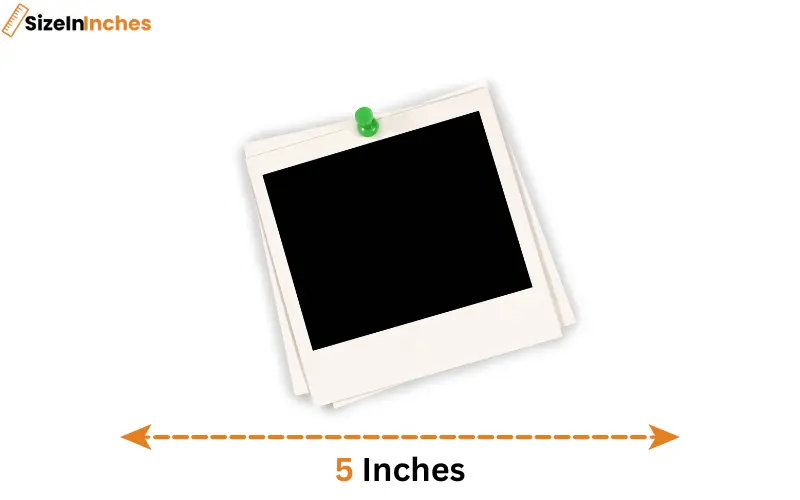
Standard 5×7 photo prints have a short side that measures exactly 5 inches.
You see these in albums, frames, and printed memories.
Holding one feels sturdy and slightly glossy.
The shorter edge defines the 5-inch dimension clearly.
This helps you picture how big is 5 inches.
6. Picture Frame (Short Side)
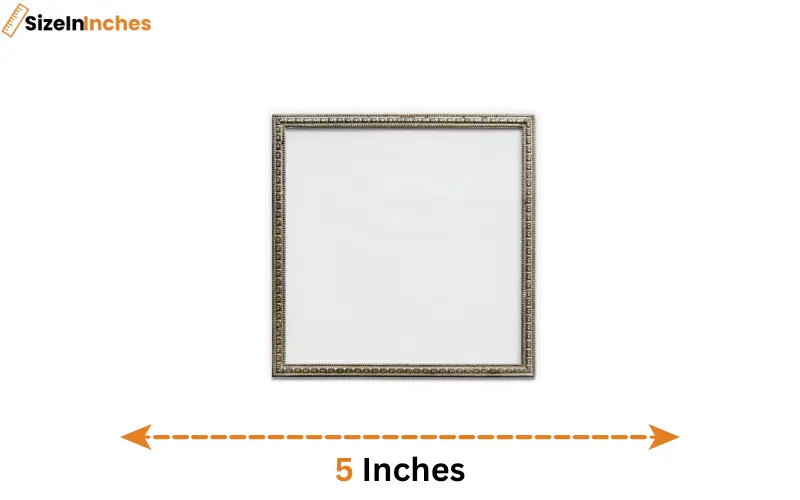
Frames designed for 5×7 photos also have a 5-inch side.
These are common in homes, offices, and desks.
They feel firm and structured when held.
The shorter side matches the exact measurement.
This is a practical example of 5 inches in real life.
7. Cake Pan (Diameter)
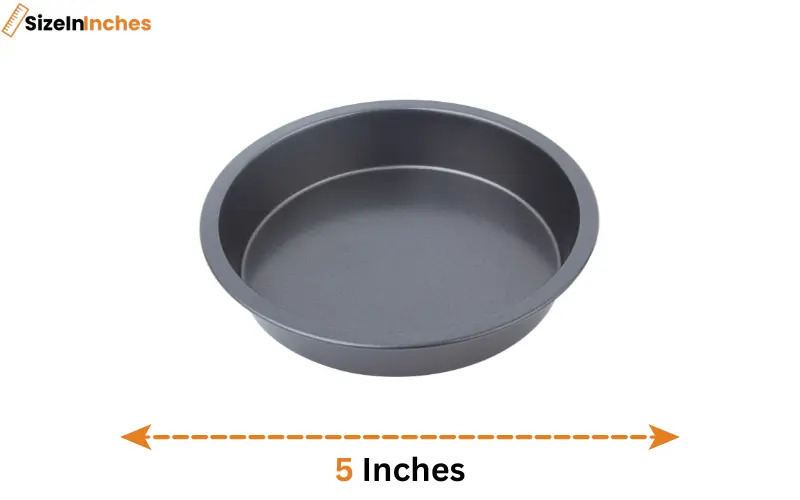
Baking pans are manufactured in exact sizes, including a 5-inch diameter version.
You’ll see these used for small cakes and desserts.
Holding one feels compact and perfectly round.
The diameter gives a full span of 5 inches across.
This helps visualize a 5 inch size in the kitchen.
8. Embroidery Hoop (Inner Diameter)
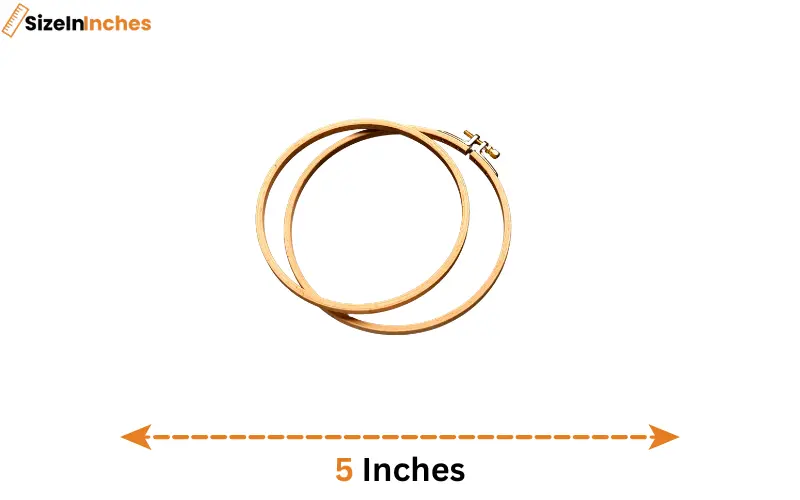
Embroidery hoops are made in fixed sizes, including a 5-inch inner diameter.
They are used in sewing and craft projects.
Holding one feels lightweight and circular.
The inner ring gives a clear 5-inch span.
This is a great craft-based reference.
9. Desk Fan Blade (Diameter)
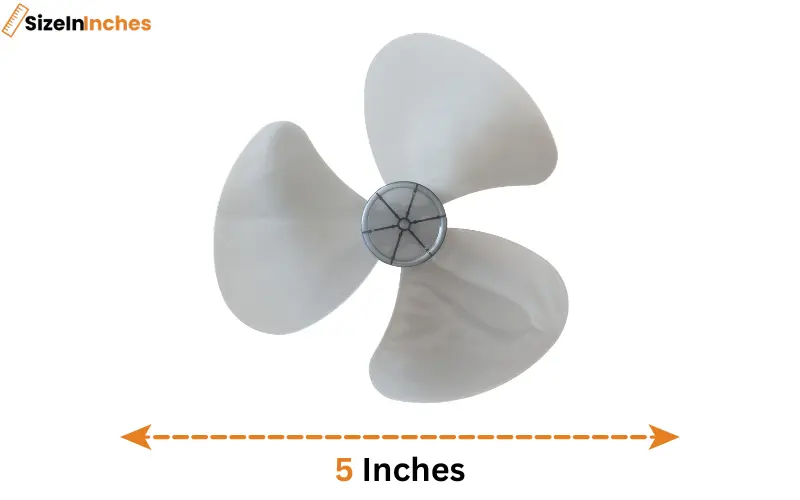
Small desk fans are built with 5-inch blade diameters as a standard category.
You see these in offices and personal workspaces.
The blade span feels compact yet effective.
It rotates within a tight circular area.
This gives a visual sense of 5 inches in motion.
10. PVC Pipe (Nominal Diameter)
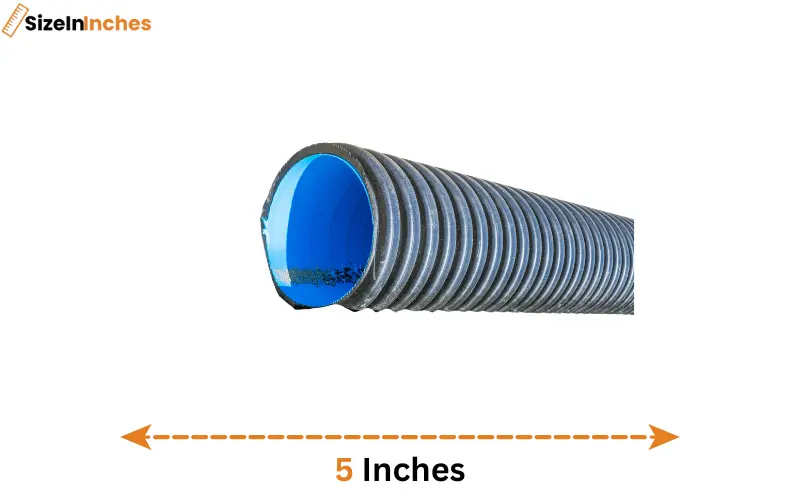
Plumbing systems include pipes classified at 5-inch nominal diameter.
These are used in construction and drainage systems.
Holding or seeing one shows a thick circular opening.
The diameter gives a solid measurement reference.
This helps understand industrial uses of 5 inches.
11. Recessed Ceiling Light Trim
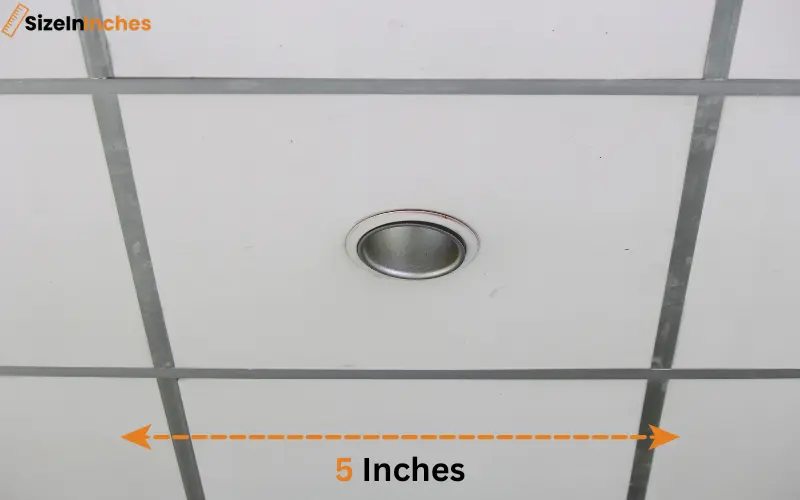
Lighting fixtures include trims sized at 5 inches.
You’ll see these installed in ceilings of modern homes.
They appear as circular cutouts in the ceiling.
Their width defines the visible opening.
This is a clear home-based example.
12. Tablet Display (Screen Class)
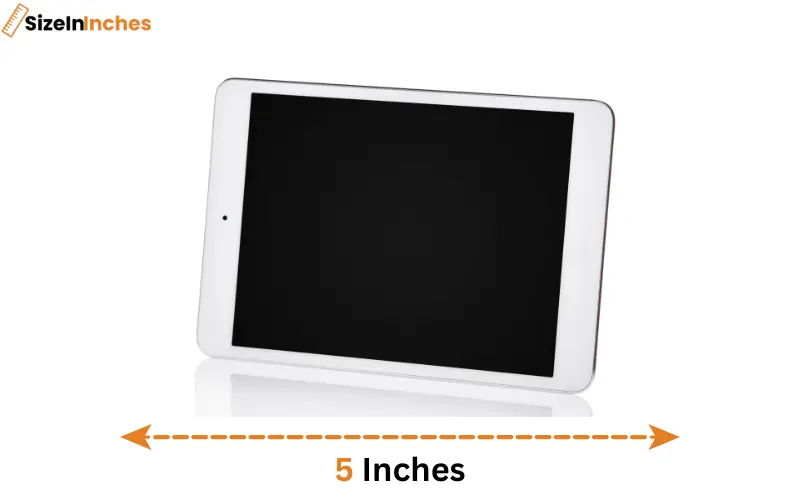
Some devices are manufactured in the 5-inch display category.
These are used in compact tech devices.
Holding one feels balanced and portable.
The screen span shows the exact size.
This is a modern example of a 5 inch size.
13. Compact Mirror (Round Diameter)
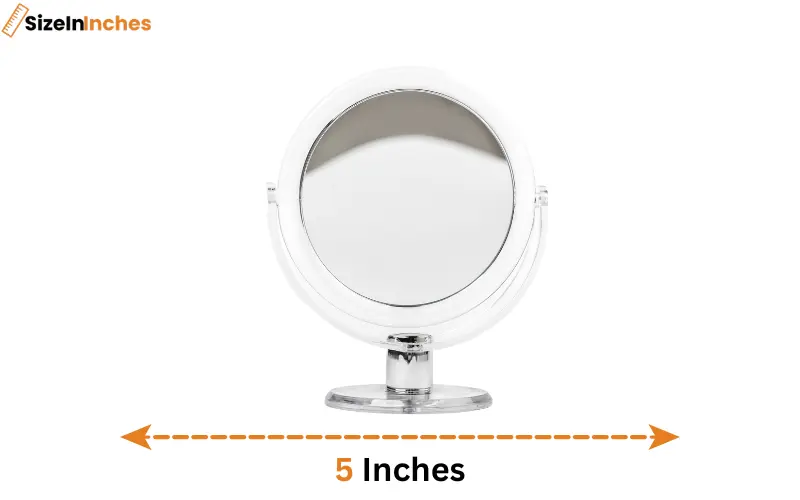
Cosmetic mirrors are made in 5-inch round sizes.
You’ll find them in makeup kits and handbags.
Holding one feels light and easy to carry.
The circular face shows the full measurement.
This is a relatable personal item.
14. Drawer Pull Handle (Center Spacing)
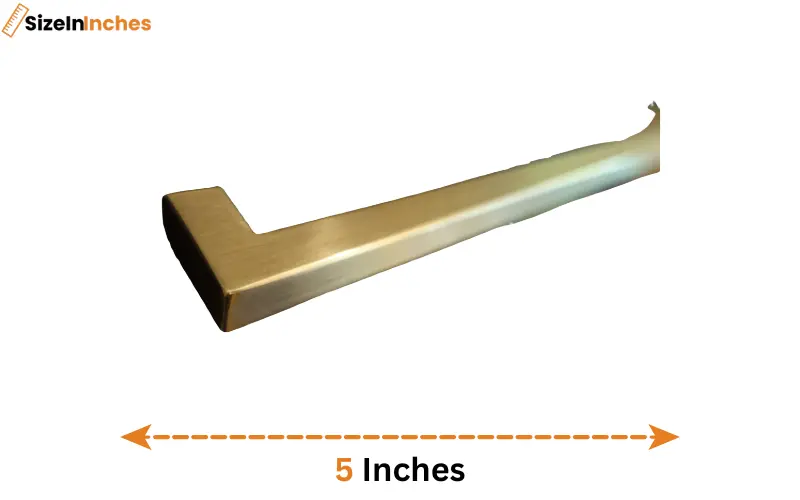
Cabinet hardware often uses 5-inch center-to-center spacing.
You see these on drawers and cabinets in kitchens.
They feel sturdy when pulled.
The spacing defines the usable length.
This is a practical home reference.
15. Industrial Pressure Gauge (Face Diameter)
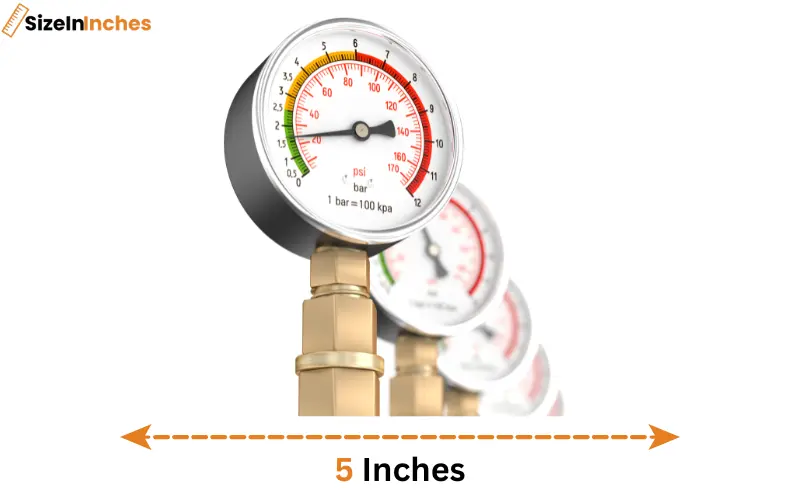
Industrial gauges are produced with 5-inch face diameters.
These are used in machinery and engineering systems.
The circular face is large enough to read clearly.
It presents a defined measurement span.
This helps visualize 5 inches in technical settings.
How to Measure 5 Inches Without a Ruler
Sometimes you need to estimate quickly. Here are practical ways to measure or visualize 5 inches using items you already have.
Use Your Hand as a Reference
- Palm plus fingers ≈ 5 inches
- Spread your fingers naturally for consistency
Use Common Paper Sizes
- Half the width of standard printer paper (8.5 inches) is close to 4.25 inches
- Add a little extra and you’re at 5 inches
Use Coins
- A U.S. quarter is just under 1 inch
- Line up five quarters edge-to-edge
Use Your Phone
- Measure your phone once
- Remember its length for future reference
How Big Is 5 Inches?
In your hand, 5 inches feels comfortable and balanced. It’s long enough to grip but small enough to control easily, making it ideal for handheld objects.
On a desk, 5 inches looks compact. It doesn’t dominate space but stands out clearly when compared to smaller items.
How Long Is 5 Inches Compared to Your Hand?
The width of four fingers placed together is close to 5 inches for many adults. This makes your hand a natural measuring tool.
Your palm plus fingers can also approximate this length, giving you a quick visual reference anytime.
5 Inches Comparison
4 inches vs 5 inches: The extra inch equals roughly the width of a finger.
5 inches vs 6 inches: 6 inches is closer to half a ruler, making it noticeably longer.
5 inches vs 10 inches: 10 inches is exactly double, like two index cards end-to-end.
Industry Insight: Why Manufacturers Love the 5-Inch Range
Designers often choose 5 inches because:
- It fits average hand sizes
- It balances portability and usability
- It scales well across products
That’s why phones, tools, cases, and accessories frequently fall near this measurement.
Here are more size guides for you to understand measurements:
- How long is 1 inch
- How long is 2 inches
- How long is 3 inches
- How long is 4 inches
- How long is 6 inches
- How long is 8 inches
- How long is 10 inches
- How long is 12 inches
FAQs
How long is 5 inches in cm?
5 inches equals 12.7 centimeters. This is the exact metric conversion. It is commonly used outside the US.
What common objects are 5 inches?
Index cards, passports, and photo prints are exact examples. These are widely used everyday items. They make the measurement easy to visualize.
Is 5 inches bigger than a credit card?
Yes, a credit card is 3.37 inches long. That makes 5 inches significantly longer. The difference is clearly noticeable.
How wide is 5 inches compared to a hand?
It is close to the width of four fingers together. This varies slightly by person. It still provides a reliable estimate.
How do I measure 5 inches without a ruler?
You can use your fingers, an index card, or a folded dollar bill. Each method uses known measurements. These make estimating quick and easy.
Conclusion
The most useful references for 5 inches are the index card, passport, and photo print. These are common, easy to recognize, and give a clear sense of scale.
Understanding this measurement helps with shopping, DIY work, and everyday tasks. Save this guide so you can quickly visualize 5 inches anytime.